Has Anyone Ever Been Injured on a Gorilla Trek?
What actually hurts people in Volcanoes National Park, why the seven-metre rule exists, what the armed rangers are for, and what to do if a gorilla charges.
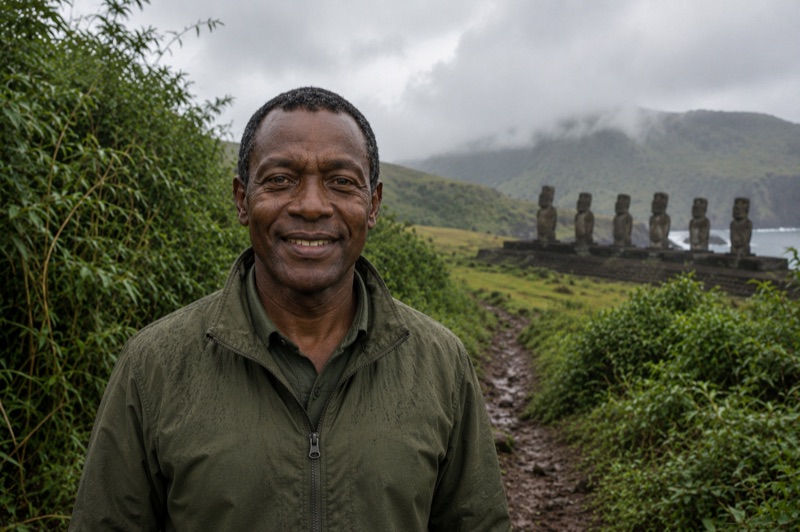 By Eric Habimana, gorilla trekking guide since 2015
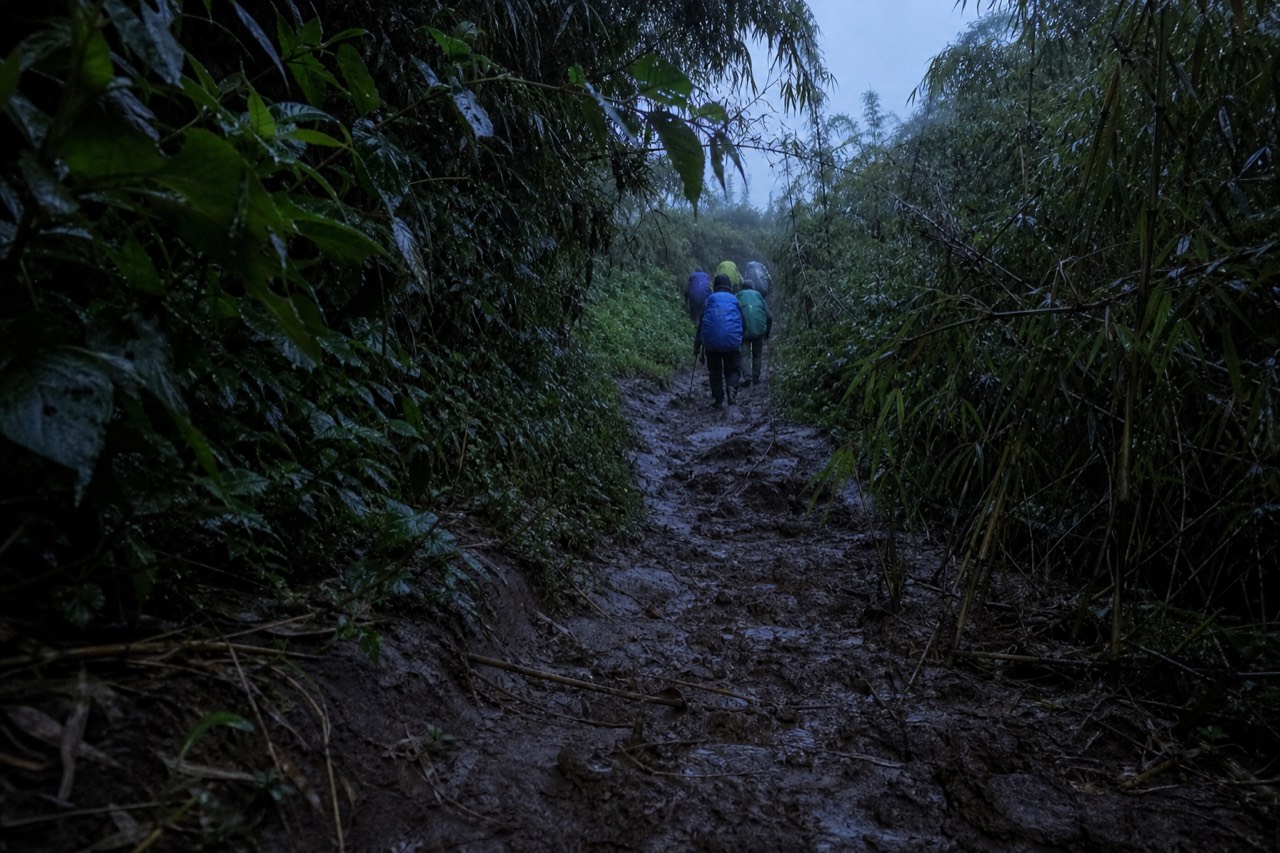
The rifle is the first thing most people notice at the Kinigi briefing. A ranger slings one over a shoulder, mentions it once, and moves on to the part about keeping your voice down. New trekkers spend the next twenty minutes quietly recalculating. The rifle turns out to be about buffalo.
Has anyone ever been injured on a gorilla trek?
No authority publishes an injury count for gorilla trekking, and reported incidents involving habituated gorillas and tourists are vanishingly rare in the record. The absence is the answer. What does put people in a clinic is ordinary: slips on wet volcanic ground, twisted ankles on the descent, and the effects of climbing between 2,500 and 4,000 metres.
That distinction matters, because the question people ask and the risk they carry are not the same thing. Nobody books a trek worrying about their ankles.
Consider what a trek is. You are on foot in rainforest, on volcanic soil that holds water, on gradients steep enough to need your hands, for a day that starts before dawn and runs twelve hours. Then, for exactly one hour, you stand still at seven metres and watch. The dangerous part is the walking.
What actually hurts people out there
Slips and ankle injuries on the descent, altitude effects for travellers who flew in from sea level two nights earlier, stings and scratches from nettles, and simple exhaustion on a twelve-hour day. A tourist died in Uganda's Bwindi forest in 2019 after being stung by wild wasps during a tracking activity, which is the shape these incidents actually take.
The descent is the underrated part. People pace themselves for the climb, find the gorillas, spend a euphoric hour, then start down on tired legs over ground churned to paste by eight pairs of boots ahead of them. Ankle-height boots with real tread beat any other purchase, and our packing list built around the mud covers the rest.
Hire a porter. They cost little against a $1,500 permit, they take the daypack, they haul you up the awkward steps by the wrist, and they come from the communities beside the park. The flagship day from Kigali includes hotel pickup and meals and runs from $360 with that permit bought separately, so you can check dates and the live price before committing to anything.
| What goes wrong | Why it happens | What actually reduces it |
|---|---|---|
| Slips and ankle turns | Wet volcanic soil, steep descent, tired legs | Ankle-height boots with deep tread, a walking stick, a porter |
| Altitude headache and breathlessness | Trekking at 2,500 to 4,000 m soon after arriving | A night or two in Kigali first, slow pace, tell the guide early |
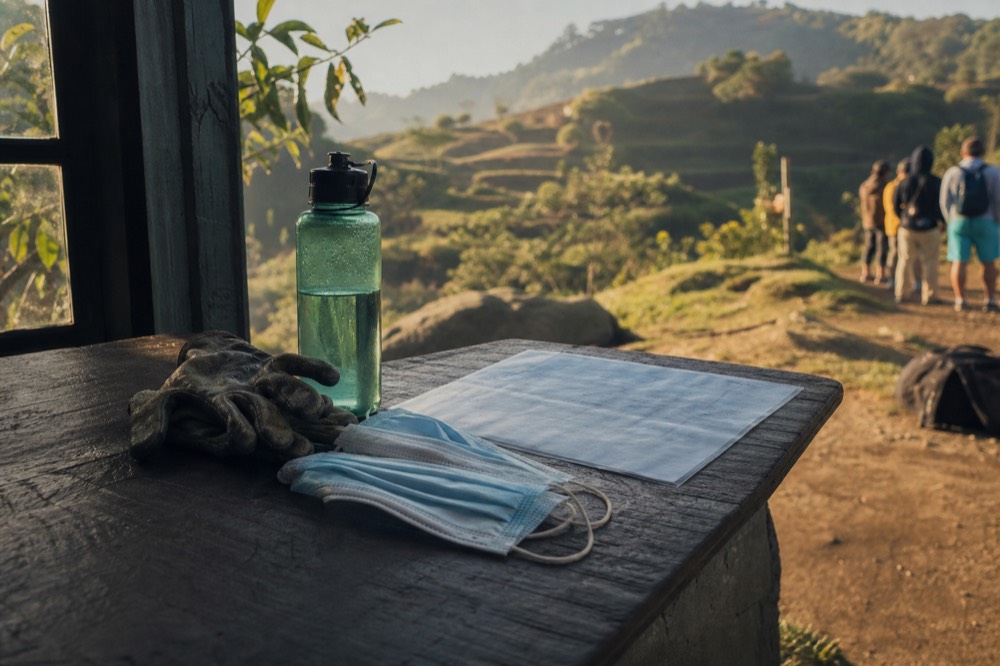
| Nettle stings and scratches | Dense undergrowth around gorilla feeding sites | Long sleeves, tucked trousers, gardening gloves |
| Exhaustion and dehydration | Twelve-hour days beginning around 4:30am | Two litres of water, real breakfast, honest fitness self-assessment |
| Insect stings | Wild bees and wasps in forest undergrowth | Tell your guide about allergies first, carry your own kit |
| Being turned back at the briefing | Under 15, or visibly ill on the morning | The age floor of 15 has no exceptions; do not travel sick |
Why the rules exist, and who they are protecting
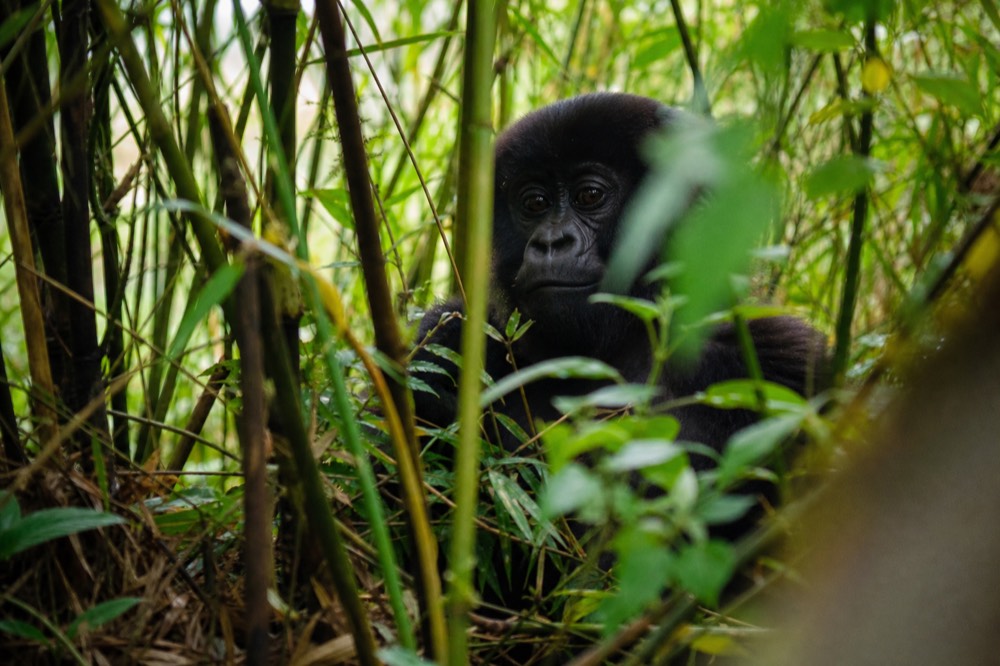
Seven metres of distance, one hour of viewing, eight visitors per family, a minimum age of fifteen, no flash photography and no trekking with a cold. These are not about keeping tourists safe from gorillas. Mountain gorillas share over 98 percent of our DNA, they catch human respiratory infections, and they die of them.
Read the age rule with that in mind and it stops looking arbitrary. Fifteen is not a fitness threshold, it is an epidemiological one: younger children carry childhood illnesses more often and shed them more freely. The same logic runs through the mask guidance and the ban on trekking while sick.
The seven-metre rule works in both directions. It keeps your pathogens off them and their strength away from you. Gorillas do not always honour it, because nobody explained it to them and a curious juvenile will walk right up to a stationary human. When that happens, you move back. The official park rules published by the Rwanda Development Board list all of them, and your guide repeats them before you enter the forest.
What are the armed rangers actually for?
Wildlife management and anti-poaching patrol, mainly. Volcanoes National Park holds buffalo and forest elephant, both of which are genuinely dangerous to a group on foot, and the park's northwestern edge runs along the border with the Democratic Republic of the Congo, where markings are unclear. Rangers keep groups together and oriented.
The rifles are not carried in anticipation of gorilla trouble. They are the standard precaution any African park applies to walking safaris.
Group cohesion is the quieter job. Nobody wanders off. Everyone moves as a unit behind a guide in radio contact with the trackers who found the family at first light. If the border matters to you, our district-by-district read of the current advisories sets out what each government says. The 4:30am tracking trip from Kigali runs at 4.9 from 37 reviews, from $260 with the $1,500 permit separate: see availability on the booking page.
What do you do if a gorilla charges?
Do not run. Running triggers pursuit and you will not win it. Crouch or lower yourself, look down and away rather than making direct eye contact, keep quiet, avoid sudden movements, and stay put until the animal loses interest. Follow the guide, who has seen this before and will be telling you what to do.
Charges are almost always bluff. A silverback closing with a chest beat and a roar is making a statement about who runs this family, and it ends when you fail to respond. Holding still while looking small is not instinctive, which is why they brief it.
The provoking behaviours are worth knowing: staring directly, raising arms above your head, sudden movements, loud noise, flash, and closing the distance yourself. On the eye-contact question we go further in whether it is okay to smile at a gorilla, and you can compare every bookable trek side by side when you pick a day.
Common questions
Has anyone ever been injured on a gorilla trek?
No official injury count is published for gorilla trekking, and reported incidents between habituated gorillas and tourists are vanishingly rare in the record. The injuries that do occur are terrain injuries: slipping on wet volcanic soil, turning an ankle on the descent, and altitude effects between 2,500 and 4,000 metres. Boots, a stick and a porter address most of it.
Are mountain gorillas dangerous to humans?
A silverback is enormously strong, but the families visitors see were habituated over years and treat a quiet group at seven metres as background. Aggression is almost always defensive or a bluff display. The park's rules exist to prevent the provocations that cause it: staring, sudden movement, noise, flash and closing the distance yourself.
What should you do if a gorilla charges at you?
Do not run. Crouch or lower your body, look down and away instead of making eye contact, stay quiet, avoid sudden movement, and remain still until the animal moves on. Almost all charges are bluff displays that end when you do not respond. Your ranger guide has handled this many times and will talk you through it in the moment.
Why do rangers carry guns on a gorilla trek?
For buffalo and forest elephant, which are genuinely dangerous to people on foot, and for anti-poaching patrol. Volcanoes National Park also runs along the DRC border where markings are unclear, so rangers keep groups together and oriented. The rifles are not a precaution against the gorillas.
Can you get sick from gorilla trekking?
The bigger concern is the reverse. Gorillas share over 98 percent of human DNA and catch our respiratory infections, sometimes fatally, which is why the seven-metre distance, the mask guidance, the age floor of fifteen and the ban on trekking while ill all exist. For yourself, follow the [CDC advice on malaria prophylaxis for Rwanda](https://wwwnc.cdc.gov/travel/destinations/traveler/none/rwanda) and expect nettle stings rather than anything exotic.