Why Is Gorilla Trekking So Expensive?
The $1,500 permit is a rationing device, not a ticket price. Where the money goes, why only 80 people go per day, and why the tour itself is the cheap part.
 By Eric Habimana, gorilla trekking guide since 2015
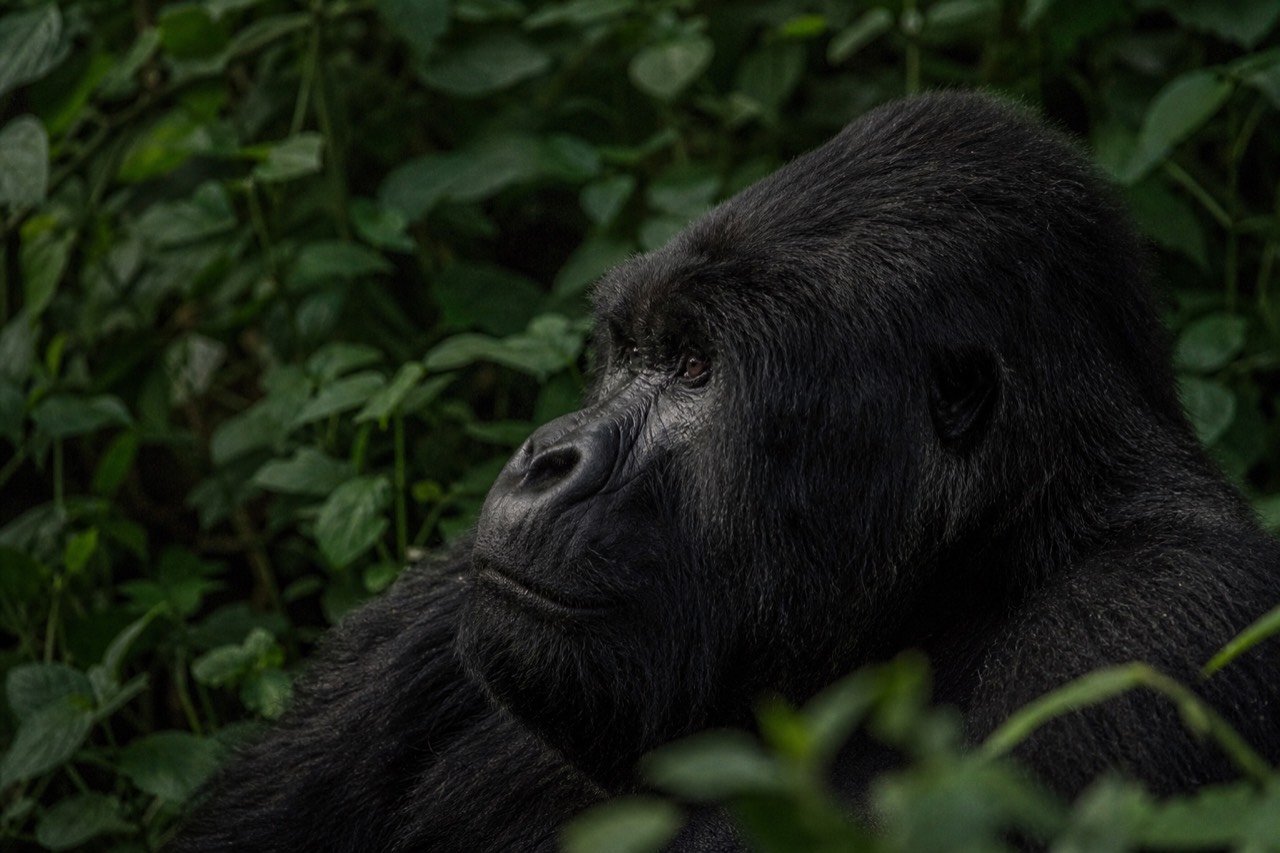
Two numbers sit next to each other on every Rwandan gorilla itinerary and they look like they belong to different holidays. The tour costs $260. The permit costs $1,500. One of those figures came out of a competitive market with four operators undercutting each other. The other came out of a government office, and it has not moved since 2017.
That gap is the answer. Rwanda is not charging $1,500 because an hour in a bamboo forest costs $1,500 to provide. It charges $1,500 because far more people want to go than the 80 who can.
Where does the $1,500 actually go?
Only one allocation is published: ten percent of national park tourism revenue goes to communities living beside the parks, a share Rwanda doubled from five percent in 2017 in the same move that took the permit to $1,500. The rest funds park operations, ranger and tracker teams and the habituation programme, with no official per-permit breakdown.
That last clause matters. Plenty of sites hand you a neat pie chart claiming exact percentages for conservation, government and salaries. Those are estimates, not figures Rwanda publishes. The community share is the one number the country does publish, and it is the part that changed when the price changed.
| What is fixed and published | Figure |
|---|---|
| Permit price, foreign non-resident | $1,500 |
| Habituated gorilla families open to visitors | 10 |
| Maximum visitors per family per day | 8 |
| Permits available nationally, per day | 80 |
| Time each group spends with the gorillas | 1 hour |
| Share of park tourism revenue to nearby communities | 10%, doubled from 5% in 2017 |
| Uganda's equivalent permit, for comparison | $800 |
Volcanoes National Park is not empty wilderness. Its boundary runs against farmland, and the households on the other side carry real costs from living beside protected forest. Ten percent of tourism revenue flowing into their schools and clinics turns a fence into a shared interest.
Why 80 permits a day is the entire explanation
Ten habituated families, eight visitors each, one hour. That is 80 permits daily and roughly 29,200 a year, worldwide, for an animal that lives in one mountain range. Any price low enough to clear at that supply would create a queue, a ballot, or pressure to habituate more families. The fee is the rationing device.
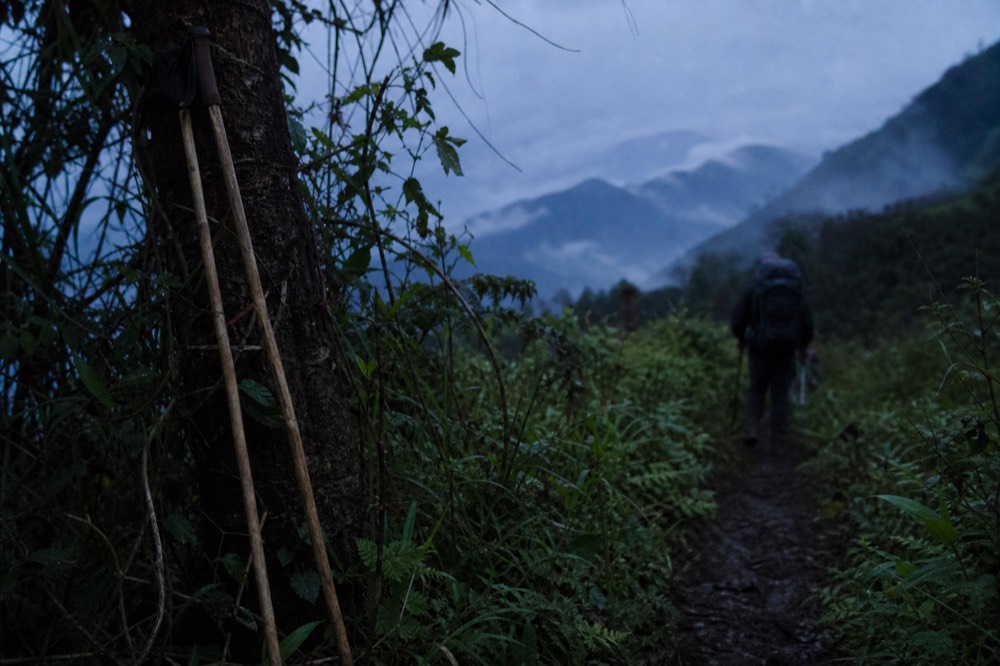
Consider the alternative. Drop the permit to $300 and the same 80 slots would go by ballot, by a waiting list years deep, or by a midnight scramble when the portal opens. None of those is obviously fairer, and all of them push the country toward habituating more families, the exact thing the cap exists to prevent.
The eight-visitor limit and the one-hour clock are not crowd control either. Mountain gorillas catch what we carry, which is why the standing distance is seven meters and anyone with a cold can be refused at the briefing. Decades of protection work, including the Dian Fossey Gorilla Fund, rest on this being one of the few places where a wild animal is worth more alive than dead.
Why the operator's slice is the cheap part
Ground costs are genuinely competitive: day treks from Kigali run $260 to $360, a spread of about $100 across four listings, every one of them excluding the $1,500 permit. Operators compete hard over a small slice of the bill. The state does not compete at all over the large one.
| Component of a day trip | Cost | Who sets it | Competitive? |
|---|---|---|---|
| RDB gorilla permit | $1,500 | The state, one price for all foreigners | No |
| Ground cost from Kigali | $260 to $360 | Tour operators | Yes, roughly $100 spread |
| Porter at the trailhead | $10 to $20 | Local porters at Kinigi | Loosely |
| Tips for guides and trackers | $5 to $25 | You | Entirely |
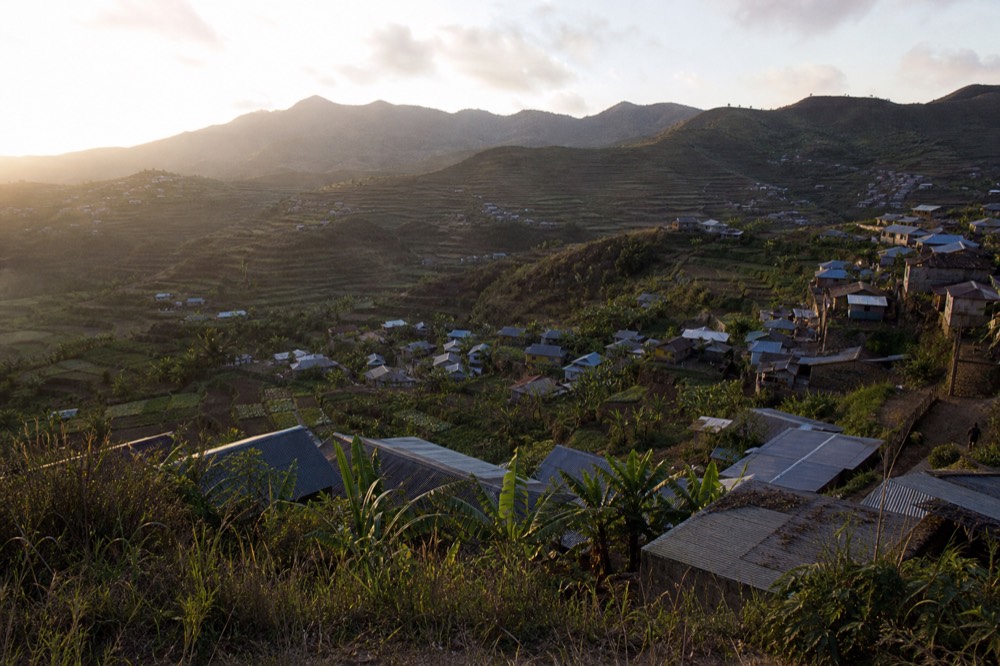
For $260 to $360 an operator provides a driver, a vehicle, fuel for six hours of mountain road, a guide, lunch, and the work of securing your permit against a passport copy. The margin is thin. When travelers call the trek a rip-off, the target is usually the tour company, the one link in the chain running on ordinary tourism economics. You can see the lowest current ground cost yourself: $260, 4:30am pickup, lunch included, permit excluded.
The bundled listings are the exception. A day at $3,350 with the permit inside is not an $1,850 markup on a $1,500 fee. It is a company buying a dated, non-transferable permit in advance and pricing the risk of eating that $1,500 if the seat goes unsold.
Would a cheaper permit actually be better?
Uganda charges $800 for the same species in the same mountain range, with low-season rates reported at $600 in April, May and November. That is a real $700 saving. It is not proof Rwanda is overcharging, because the two countries are running different bets on how many visitors their forests should absorb.
Rwanda's rate card shows how deliberately the pricing is managed. The official booking portal lists $500 for residents and $200 for Rwandan and East African citizens, then marks those tiers promotional and suspends them from June to October 2026, the driest and busiest stretch of the year. A country purely maximising revenue would not build a discount ladder for its own citizens at all.
Whether that makes the number feel fair is a separate and honest question. Both sides sit in the case for and against the trek, and the ethics of standing near a habituated wild family are picked apart in the ethics question.
The line-by-line arithmetic of a full trip is in the complete cost breakdown, and the buying mechanics are in the permit booking guide. The full range of bookable treks is sorted by whether the permit sits inside the price or outside it, which is the only comparison that tells you anything useful.
One route changes the value calculation rather than the price. The day trek adding the Dian Fossey memorial or the Gorilla Guardians village puts your money in front of the history and the community it funds, in a private 4x4, from $300 with the permit bought separately. It holds a straight 5.0 across 28 reviews, and for anyone uneasy about what the fee buys, seeing where the money lands beats reading about it.
None of this makes the number small. It makes it explicable, which is different. You are not really paying for the hour. You are paying for the fact that only 79 other people on the planet get one that day.
Frequently asked questions
Why is gorilla trekking so expensive?
Supply is capped at 80 people a day nationally: 10 habituated families, eight visitors each, one hour apiece. The $1,500 permit rations that access rather than covering a $1,500 cost of provision. Ten percent of park tourism revenue goes to neighbouring communities, and the fee funds ranger teams, trackers and habituation work.
Where does the gorilla permit money go?
The only figure Rwanda publishes is the community share: ten percent of park tourism revenue goes to the Tourism Revenue Sharing Programme for villages beside the parks, doubled from five percent in 2017. No official per-permit allocation exists beyond that, so any conservation percentage quoted elsewhere is an estimate.
Is gorilla trekking cheaper in Uganda?
Yes, on the permit. Uganda charges $800 for foreign non-residents against Rwanda's $1,500, a $700 saving per person, with some sources reporting $600 rates in April, May and November. Rwanda's advantage is access: Volcanoes National Park is close enough to Kigali to trek and return in a single day.
Will the permit price ever come down?
Nothing published suggests it. The $1,500 foreigner rate has held since 2017, and the discounted tiers for residents and East African citizens are explicitly promotional, withdrawn from June to October 2026. Since the price exists to ration 80 daily slots rather than recover costs, a cut would create a queue rather than a bargain.