Why Is "Visit Rwanda" on Arsenal and Clippers Jerseys?
The sponsorship deals, what they cost, why a country of 13 million buys Premier League sleeve space, and how it connects to a $1,500 gorilla permit.
 By Eric Habimana, gorilla trekking guide since 2015
A sleeve is roughly the size of a postcard. It is also, for ninety minutes a week across a global broadcast footprint, one of the most watched rectangles in advertising. In 2018 a country of thirteen million bought one on an Arsenal shirt, and viewers spent the next eight years wondering what they were looking at.
Why is "Visit Rwanda" on Arsenal and Clippers jerseys?
Visit Rwanda is the tourism brand of the Rwanda Development Board, and the jersey placements are paid sponsorship deals. Arsenal carried it on the sleeve from 2018, reported at around £10 million a year, concluding after the 2025-26 season. Paris Saint-Germain has carried it since 2019, extended through 2028. Bayern Munich signed in 2023. The LA Clippers and LA Rams announced multi-year deals in 2025.
The Los Angeles agreements were a first: no African tourism brand had taken a jersey patch in the NBA or the NFL before. That is the point of them. A tourism board with a modest budget cannot outspend anyone on conventional advertising, so it buys the one surface that travels everywhere free once a match is broadcast.
| Club | Sport | Deal | Status |
|---|---|---|---|
| Arsenal | Premier League football | Sleeve sponsor from 2018, reported at roughly £10 million a year | Concluded after the 2025-26 season |
| Paris Saint-Germain | Ligue 1 football | Partner from 2019 | Renewed through 2028 |
| Bayern Munich | Bundesliga football | Signed 2023 as a five-year deal | Restructured toward youth and academy development through 2028 |
| LA Clippers | NBA basketball | Jersey patch and wider sponsorship announced 2025 | Multi-year, first African tourism brand in the NBA |
| LA Rams | NFL | Sponsorship announced 2025 | Multi-year |
What is Rwanda actually buying?
Visitors. Rwanda recorded 1.49 million international arrivals in 2025, a nine percent rise on the previous year, against tourism revenues of $685 million, up six percent. Tourism is a deliberate pillar of national economic strategy rather than a side industry, and the country's single most valuable tourism product is an hour with a mountain gorilla.
Look at the shape of the spend and the logic gets clearer. Rwanda is small, landlocked and not on many people's mental map. The problem it has to solve is not persuasion, it is awareness. Sleeve space on a globally broadcast shirt buys that in a way a tourism-fair stand never will.
The official Visit Rwanda tourism site leads with the gorillas, and so does every deal announcement. When the Clippers agreement was unveiled, the club's own announcement framed it around wildlife and conservation rather than around sport.
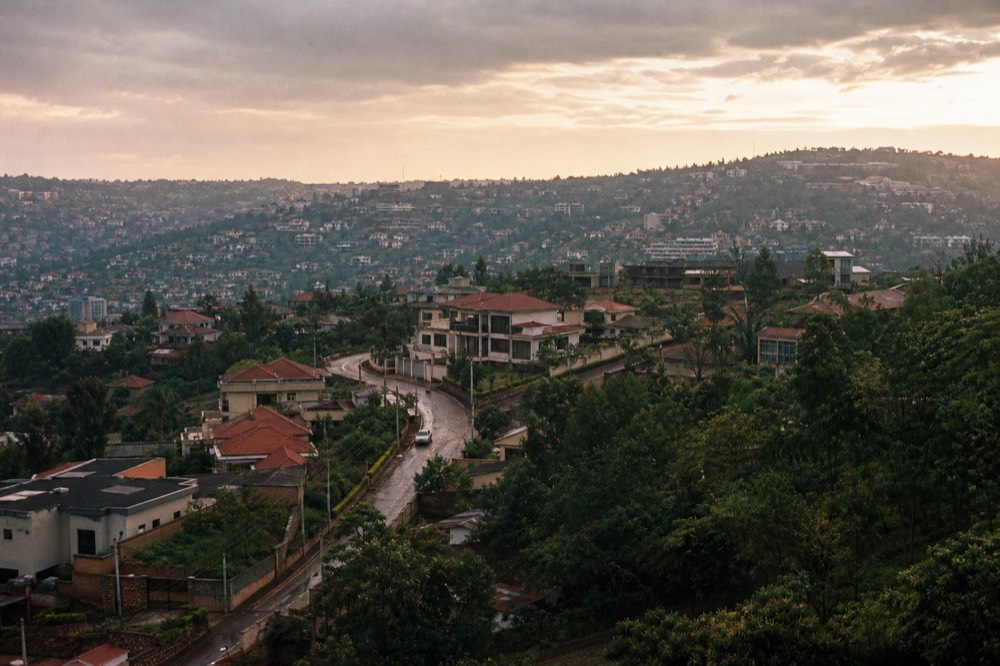
What does any of this have to do with gorillas?
Directly. A trekking permit costs $1,500 per foreign non-resident, and the park sells a maximum of 80 a day: ten habituated families, eight visitors each. That ceiling is fixed by conservation policy, not demand, so the only way tourism revenue grows is by filling every slot and holding the price. Awareness is what fills the slots.
Rwanda also runs an annual event built around profile. Kwita Izina, the gorilla naming ceremony, borrows a Rwandan tradition of naming newborns and applies it to infant mountain gorillas, with conservationists, scientists and invited public figures doing the naming. The 2026 edition, the twenty-first, falls on 4 September at Kinigi in Musanze District, with 22 infants announced for naming. Hundreds of baby gorillas have been named this way since 2005.
The jersey and the ceremony are the same play from two directions: make a small country's wildlife legible to people who never thought about it, then charge a high price for a strictly limited experience. Why that price is what it is gets its own treatment in why gorilla trekking costs so much, and the permit mechanics and booking windows sit in a separate guide.
Is it sportswashing? The argument, both sides
Critics say yes, loudly. Supporters say it is straightforward tourism marketing that has coincided with real growth in arrivals and revenue. Both positions are argued in public by serious people, and this page reports them rather than picking one.
The case against runs through the conflict in eastern Democratic Republic of the Congo. After M23 rebels took Goma, the DRC's foreign minister wrote to Arsenal, PSG and Bayern urging them to cut ties, and a United Nations group of experts has maintained that Rwanda's army holds de facto control of M23 operations. A survey by the Arsenal Supporters' Trust found ninety percent of respondents wanted the club out of the partnership, and campaign groups protested outside the ground. Arsenal's deal concluded after the 2025-26 season.
The case for is made mostly by Rwanda itself, which rejects the framing, defends the deals as ordinary destination marketing, and argues that campaigns against them risk inflaming a regional dispute rather than resolving it. PSG and Bayern extended rather than withdrew. The tourism numbers are real and the permit revenue funding rangers and community programmes around Volcanoes National Park is real, and none of that settles the ethics for anyone who objects to the politics underneath. If that is the question you are actually weighing, we take it apart in whether gorilla trekking is ethical.
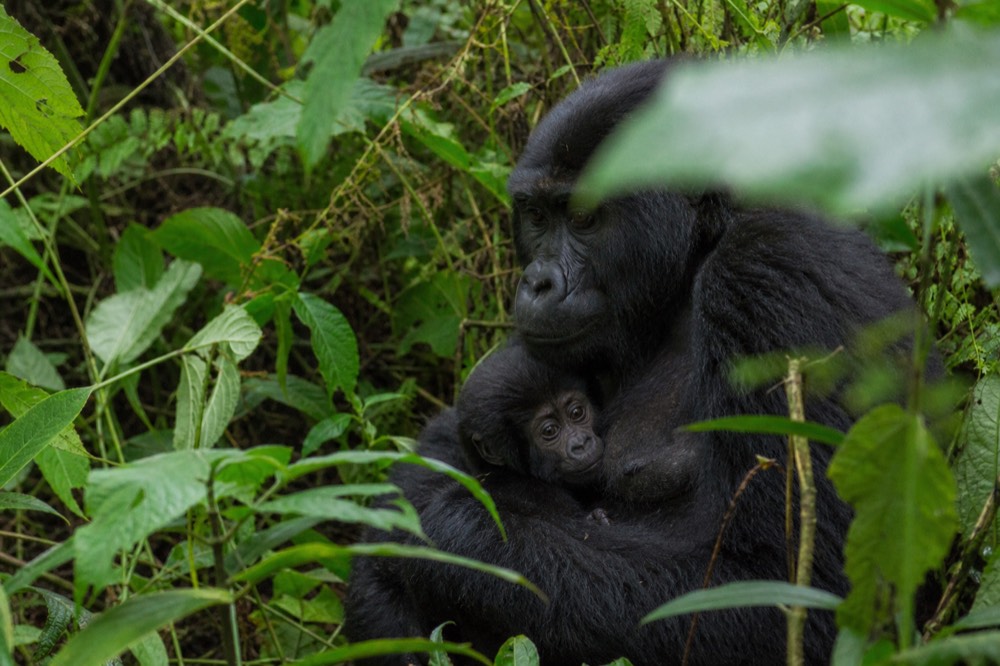
What it means if you are the one booking
The sponsorship money flows out of Rwanda, not into conservation. What funds the park is the other direction: your $1,500 permit, plus park fees inside tour prices, plus the lodging and guiding spend around Musanze. The jersey is the advertisement. The permit is the transaction.
That is worth knowing when you look at trek prices. A day trip from Kigali starting at $260 or $360 covers transport, guiding and meals; the $1,500 permit is separate and is the part that reaches the park. Packages from $3,350 look enormous until you subtract the permit inside them. Our full cost breakdown does that line by line, or you can check dates and the live price on the flagship day and compare every bookable trek side by side.
The campaign has quietly changed who books, too. Treks that once drew a specialist wildlife crowd now draw football supporters who watched a sleeve for eight seasons and eventually looked it up. The 4:30am tracking day from Kigali holds 4.9 stars from 37 reviews, from $260 with the $1,500 permit separate, and you can see availability on the booking page.
Common questions
Why is Visit Rwanda on the Clippers jersey?
Because Rwanda's tourism board bought the patch. The Clippers deal, announced in 2025 alongside a similar agreement with the LA Rams, was the first NBA jersey sponsorship by an African tourism brand. It is destination advertising aimed at a US audience, promoting Rwanda's wildlife tourism and above all mountain gorilla trekking in Volcanoes National Park.
Why does Arsenal say Visit Rwanda?
Visit Rwanda was Arsenal's sleeve sponsor from 2018, in a deal reported at around £10 million a year, and the partnership concluded after the 2025-26 season. The Rwanda Development Board paid for the placement to raise awareness of the country as a destination. Paris Saint-Germain and Bayern Munich signed comparable deals, both extended through 2028.
How much did Visit Rwanda pay Arsenal?
The Arsenal sleeve deal was reported at roughly £10 million a year, something over $13 million, running from 2018 to the end of the 2025-26 season. Rwanda has not published a full accounting of what the wider programme costs across Arsenal, PSG, Bayern Munich, the LA Clippers and the LA Rams.
Is Visit Rwanda sportswashing?
That is contested. Critics, including the DRC's foreign minister and fan groups such as the Arsenal Supporters' Trust, argue the deals launder Rwanda's image while a UN group of experts says its army holds de facto control of M23 operations in eastern Congo. Rwanda rejects the framing, calls the deals ordinary destination marketing, and points to rising arrivals.
Does the Visit Rwanda money go to the gorillas?
No, and the direction matters. Rwanda pays clubs for advertising; money does not flow from the clubs into conservation. What funds Volcanoes National Park is tourism revenue, principally the $1,500 permit each foreign non-resident buys, capped at 80 permits a day across ten habituated families. The sponsorship is the advertisement for that transaction, not the transaction itself.