Rwanda vs Uganda for Gorilla Trekking: The Honest Comparison
One country sells you time. The other sells you savings. Almost nothing else about the hour with the gorillas is different.
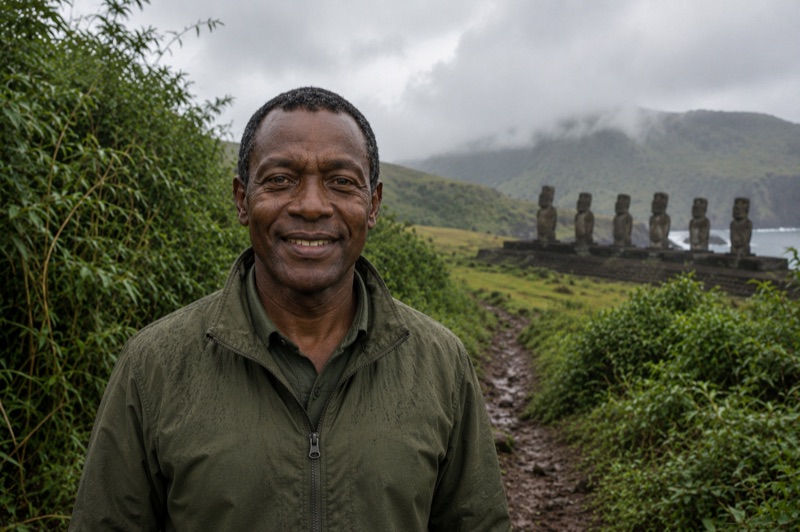 By Eric Habimana, gorilla trekking guide since 2015
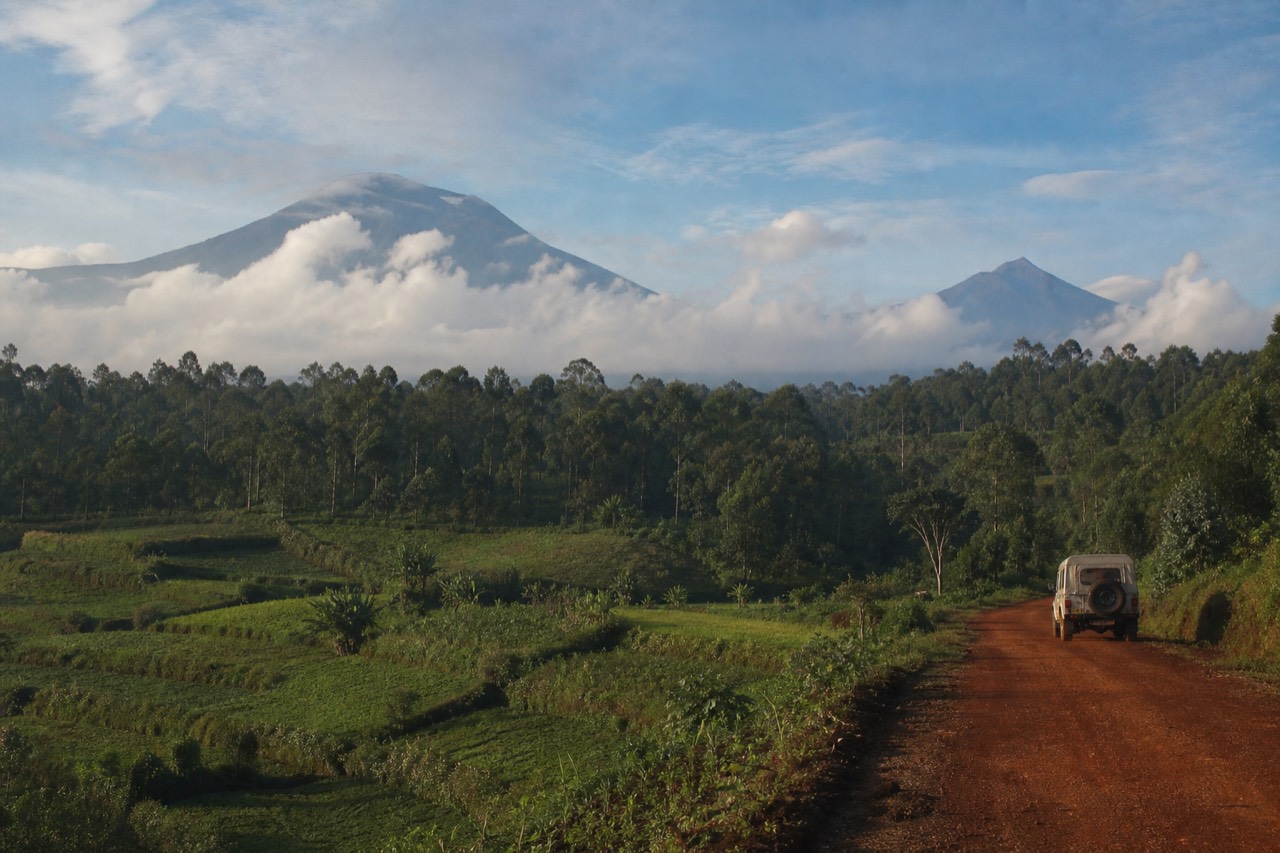
Short answer
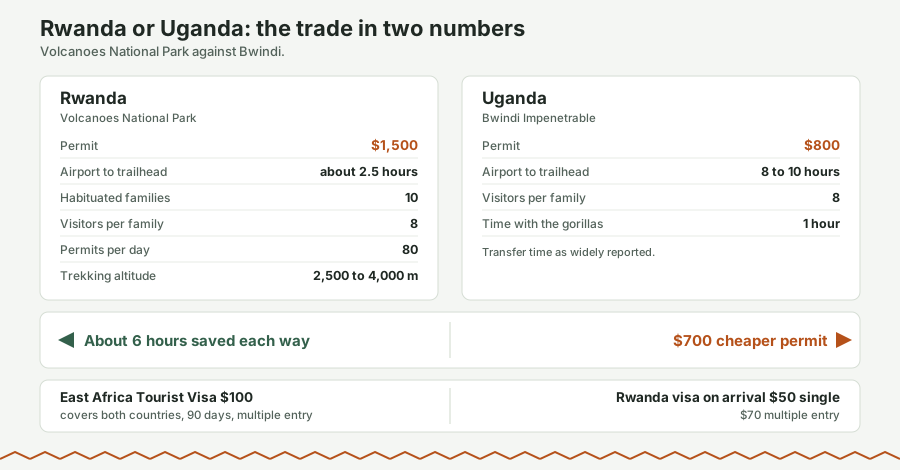
Rwanda's permit costs $1,500 and Volcanoes National Park sits about 2.5 hours by road from Kigali airport. Uganda's permit costs $800, but Bwindi is widely reported at 8 to 10 hours' drive from Entebbe. Both cap groups at eight visitors and one hour at seven metres. Choose Rwanda for short trips, Uganda for long ones on a tighter budget.
The first thing that separates the two countries is not the gorillas. It is the alarm clock. Someone who flies into Kigali is standing at the Kinigi park gate before the mist has lifted off the terraced hillsides, roughly two and a half hours after leaving the capital. Someone who flies into Entebbe spends most of a day watching Uganda scroll past a windscreen before reaching Bwindi. Both end up seven metres from a silverback, both get exactly sixty minutes, and both follow the same rules written for the same species. Only one of them pays $1,500 for the privilege.
That is the whole comparison in miniature, and most articles stop there. The interesting part is what the $700 permit gap actually buys once you put it next to the cost of the days you spend getting into position.
Rwanda or Uganda: which one should you actually book?
Book Rwanda if your trip is short, if you are flying long-haul, or if you would rather spend money than days. Book Uganda if you have a week or more, want a wider safari circuit, and would rather absorb two long driving days than pay $700 extra per person for the permit. Both deliver the same one hour.
The decision rarely comes down to gorillas. Habituated mountain gorilla families on both sides of the Virunga range behave the same way, and Rwanda and Uganda share the same population across the same border. What differs is the shape of the trip around the trek.
Rwanda compresses everything. Kigali International is a small, fast airport, Volcanoes National Park is close enough to reach before breakfast, and the whole experience can be done between two nights in the same Kigali hotel. That is why day treks from the capital are the dominant product here, and why most gorilla trekking Rwanda tours begin and end in the capital on the same date.
Uganda spreads out. Bwindi Impenetrable Forest is deep in the southwest, and the standard approach is either a long overland day from Entebbe or a domestic flight into a nearby airstrip followed by a ground transfer. In exchange, the permit is cheaper and the surrounding country gives you chimpanzees, tree-climbing lions and the Nile within one itinerary.
| Factor | Rwanda (Volcanoes NP) | Uganda (Bwindi) |
|---|---|---|
| Permit, foreign non-resident | $1,500 | $800 |
| Gateway airport | Kigali International | Entebbe International |
| Airport to trailhead | About 2.5 hours by road | Widely reported at 8 to 10 hours by road |
| Visitors per family, per day | 8 | 8 |
| Time with the gorillas | 1 hour | 1 hour |
| Minimum viewing distance | 7 metres | 7 metres |
| Minimum age | 15, no exceptions | 15 |
| Habituated families open to visitors | 10 | Several sectors, more families overall |
| Typical trip length needed | 2 to 3 nights | 5 to 8 nights |
How much does each permit cost, and what does the price include?
Rwanda's permit is $1,500 per person for foreign non-residents, sold by the Rwanda Development Board. Uganda's standard Bwindi permit is $800. Neither price includes transport, accommodation, meals, or the tour that gets you to the gate. Both buy one hour with one habituated family, a ranger team, and park entry for the day.
The permit is the single largest line on either trip, and it is bought separately from almost every tour you will see advertised. Rwanda's is sold through the official Rwanda Development Board booking portal on a first-come, first-served basis, with passport details required at the time of application. Eighty permits exist per day in total: ten habituated families multiplied by eight visitors each. That ceiling is fixed, and it does not expand for peak season.
Uganda's lower price reflects a larger inventory rather than a lesser experience. More habituated families across more sectors means more permits per day, and more permits per day means less scarcity pricing. Uganda also sells a longer habituation experience that puts a much smaller group with a family still being accustomed to humans, priced well above the standard permit, which has no Rwandan equivalent open to general visitors.
What neither permit includes is the reason so many travellers get the budget wrong. A $260 day trek advertised from Kigali is a transport-and-guiding product. The $1,500 sits on top of it. The same logic applies in Uganda, where a cheap Bwindi transfer still leaves $800 owing to the wildlife authority. If you want to see how the two halves stack up in practice, the cheapest Rwandan day trip lets you check dates and the live price before you commit to the permit application.
How long does it take to reach the gorillas from the airport?
Kigali to the Kinigi park headquarters runs about two and a half hours on good tarmac, with the Kigali to Musanze leg alone taking roughly ninety minutes. Entebbe to Bwindi is widely reported at eight to ten hours by road. Flying into Kigali and crossing overland into Uganda is a common shortcut, usually described as four to five hours.
This is the number that decides most bookings, and it is worth being precise about it. The road north from Kigali is sealed, well maintained and genuinely fast, which is why operators can promise a 3:30am pickup and a 7:00am briefing without anything going wrong. The hour-by-hour breakdown of that day shows how tight the schedule really is.
Uganda's distance problem is real but not unsolvable. Domestic flights from Entebbe to airstrips near Bwindi turn a driving day into a short hop plus a transfer, at a cost that eats into the permit saving. A large share of Bwindi trekkers skip Entebbe altogether and fly into Kigali instead, then cross at Cyanika or Katuna. That route is popular precisely because it borrows Rwanda's airport while paying Uganda's permit price.
| Route | Approximate time | Notes |
|---|---|---|
| Kigali airport to Musanze | About 90 minutes | Sealed road, the standard first leg |
| Kigali airport to Kinigi park HQ | About 2.5 hours | Briefing is at 07:00, so pickups start 3:30 to 4:30am |
| Entebbe to Bwindi by road | Widely reported 8 to 10 hours | Usually split across two days |
| Entebbe to Bwindi by domestic flight | Short flight plus ground transfer | Adds cost, removes a driving day |
| Kigali to Bwindi overland | Widely reported 4 to 5 hours | Requires a border crossing, and the East Africa Tourist Visa helps here |
Is the trek itself harder in Rwanda or in Uganda?
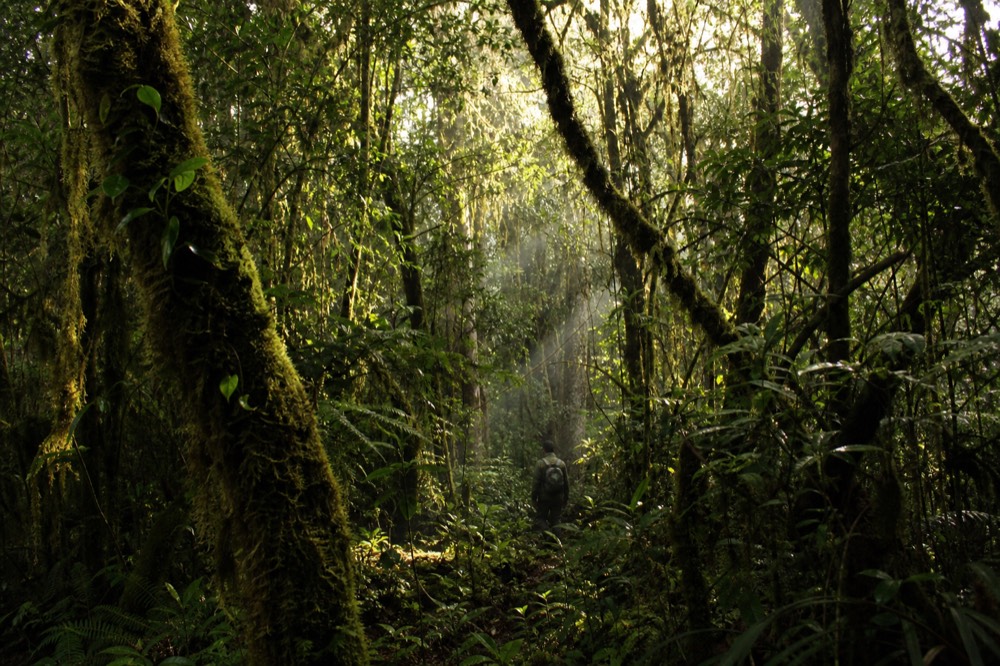
Volcanoes National Park is steeper and higher, with trekking between roughly 2,500 and 4,000 metres on volcanic slopes broken by bamboo and stinging nettle. Bwindi is lower but denser, a tangled montane rainforest where progress is slow and footing is unreliable. Rwanda punishes your lungs. Uganda punishes your patience.
Neither is a stroll, and the difficulty on any given morning depends far more on which family you are assigned than on which country you are standing in. Gorillas move overnight. A group that fed near the park boundary yesterday may be an hour above the tree line today.
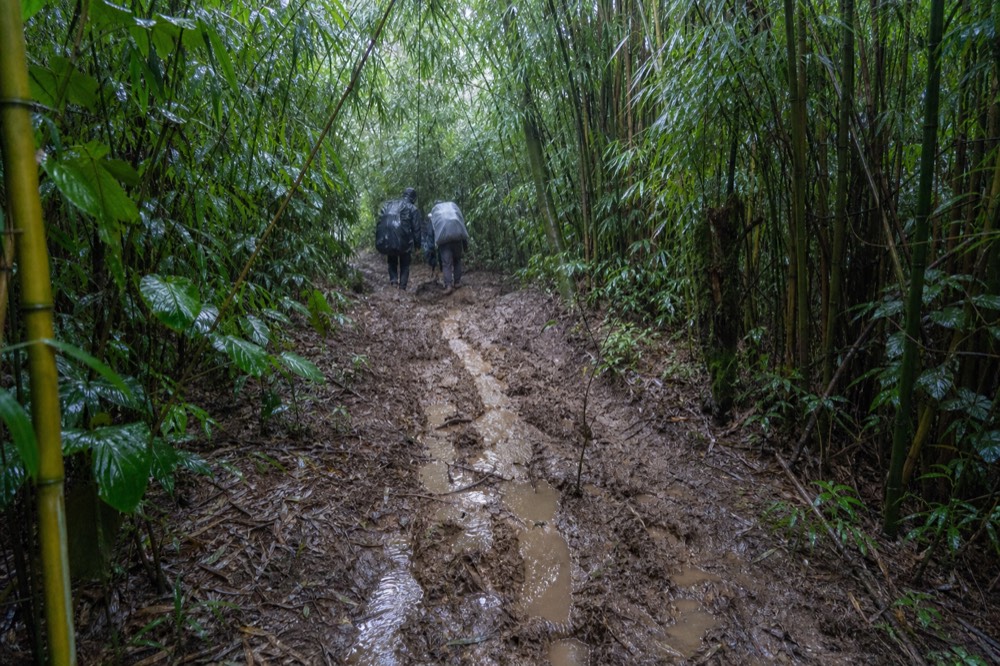
Rwanda's terrain is open enough that you often see where you are going. You climb through farmland, cross the buffalo wall at the park boundary, then work uphill through bamboo. The altitude is the real obstacle, and travellers arriving straight off a long-haul flight consistently underestimate it. A realistic look at the fitness required matters more than any country comparison.
Bwindi earns its name. The forest is thick enough that trackers cut a path with machetes, the ground under the vegetation is rarely flat, and some sectors involve long descents into steep valleys followed by the climb back out. Lower altitude helps. The undergrowth does not.
| Element | Volcanoes National Park | Bwindi Impenetrable Forest |
|---|---|---|
| Altitude of trekking areas | 2,500 to 4,000 m | Lower, but with steep valley profiles |
| Ground underfoot | Volcanic soil, deep mud after rain, bamboo | Root mats, wet leaf litter, hidden holes |
| Vegetation | Farmland then bamboo then open moorland | Closed-canopy rainforest, machete-cut paths |
| Typical walk to the family | Commonly 1 to 4 hours each way | Commonly 1 to 6 hours each way |
| Main physical stressor | Thin air and sustained climbing | Slow, awkward, unstable footing |
| Porter available | Yes, hired at the trailhead | Yes, hired at the trailhead |
Which country suits which traveller?
Short-trip travellers, people combining the trek with business in Kigali, and anyone who values sleep over savings should pick Rwanda. Travellers on a two-week East African circuit, photographers wanting multiple gorilla days, and budget-driven groups should pick Uganda. Families with teenagers should check the age rule first: both countries stop at 15.
The most common mistake is comparing permit prices in isolation. A $700 saving vanishes quickly if reaching Bwindi requires two extra hotel nights, two extra days of vehicle hire, and a domestic flight. It stays a real saving if you were going to spend those days in Uganda anyway.
| Traveller | Better fit | Why |
|---|---|---|
| Four nights or fewer in East Africa | Rwanda | The trek fits between two Kigali nights |
| Two-week safari circuit | Uganda | Bwindi slots into a route with chimps, savannah and the Nile |
| Wants two gorilla days | Uganda | Two $800 permits cost less than two $1,500 permits |
| Arriving jet-lagged from Europe or the US | Rwanda | Short transfer, and multi-day options remove the 3:30am start |
| Travelling with a 15 or 16 year old | Either | Both set the floor at 15, and Rwanda enforces it with no exceptions |
| Wants a helicopter or top-tier lodge | Rwanda | The luxury cluster around Kinigi is denser |
| Hard budget ceiling near $2,000 all in | Uganda | The permit gap is the biggest single lever available |
What does the East Africa Tourist Visa change?
The East Africa Tourist Visa costs $100, lasts 90 days, allows multiple entries and covers Rwanda, Uganda and Kenya on one document. Your first entry must be through the country that issued it. A single-entry Rwandan visa on arrival is $50, and a multiple-entry one is $70, so the regional visa pays for itself the moment you cross a border.
This is the quiet detail that makes the two-country trip realistic. Rwanda grants visa on arrival to nationals of every country, at Kigali airport and at land borders, with no prior application needed. Uganda has its own entry system. The regional visa collapses both into one $100 purchase, applied for through Irembo or issued on arrival, and it is the standard tool for anyone who wants to fly into Kigali, trek in Rwanda, cross to Bwindi, and fly home from Entebbe.
Official conditions are published on Rwanda's visa on arrival page, and they matter in one specific way: the first entry must be the issuing country. Buy it as a Rwandan visa and you must enter through Rwanda. Plan the route before you buy the document, not after.
There is a second-order effect worth knowing. Because the regional visa makes border crossings cheap and simple, comparing the two countries stops being an either-or question for anyone with ten days. A growing number of itineraries now trek once in each country, using Kigali as the single air gateway for both.
When should you go, and does the answer differ by country?
The two dry windows, June to September and December to February, apply across the whole Virunga and Bwindi region, so the answer barely changes by country. Drier ground means easier walking and better photographs. It also means the heaviest competition for Rwanda's 80 daily permits and the highest lodge rates on both sides of the border.
Rain does not close either park. Treks run daily through the wet months, and the gorillas are no harder to find, because trackers follow them regardless of weather. What changes is the footing, the visibility for photography, and how much of your gear ends up soaked.
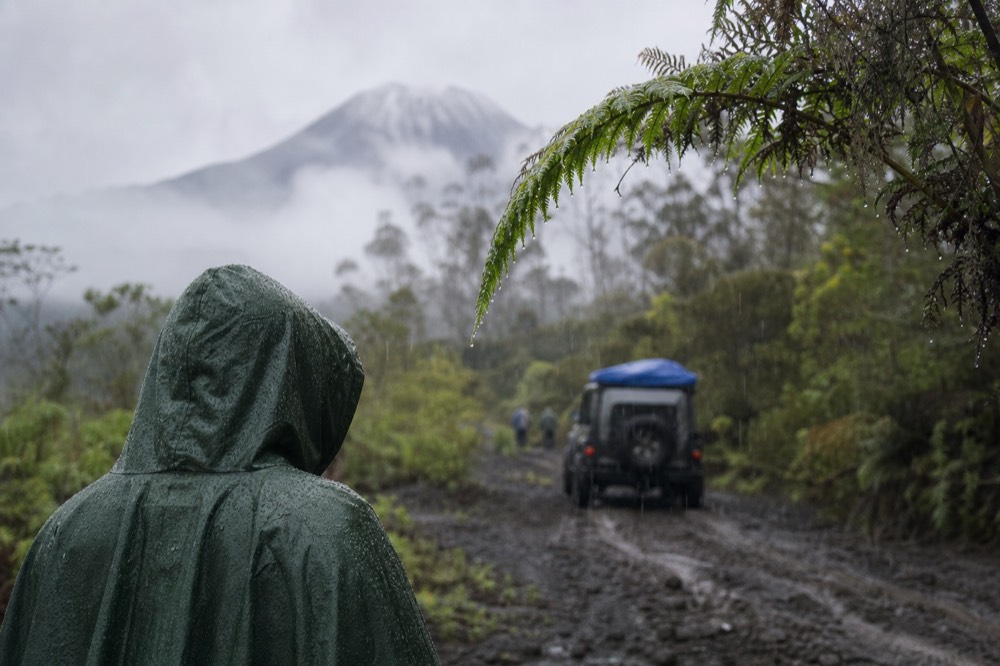
The long rains and the short rains bring genuine advantages that experienced trekkers quietly prefer. Lodges discount. Permits stay available closer to the date. The forest is greener, and the gorillas often feed lower down, which can shorten the walk. The trade is mud deep enough to swallow a boot, which is exactly why gaiters appear on every serious packing list for the mud.
| Period | Conditions | Permit pressure | Best for |
|---|---|---|---|
| June to September | Long dry season, firmest trails | Highest | First-timers, photographers, families |
| October to November | Short rains, green and quiet | Moderate | Value seekers who accept mud |
| December to February | Short dry season, warm | High over the holidays | Combining with a beach tail |
| March to May | Long rains, heaviest mud | Lowest | Discounted lodges, easier permit dates |
How safe is each side, in plain terms?
The US State Department has Rwanda at Level 3, Reconsider Travel, renewed 6 May 2026, with Level 4, Do Not Travel, applying within 10 km of the DRC border in the Musanze, Rubavu and Rusizi districts. Volcanoes National Park is in Musanze District. Treks have continued running daily. The UK FCDO advises against all but essential travel only to parts of Rusizi District.
That is the honest position, and it deserves stating rather than skating over. Volcanoes National Park sits in a district that carries a Level 4 zone along the Congolese frontier, and the park itself abuts that frontier at altitude. Anyone telling you the park is somewhere else is wrong. Anyone telling you the sky is falling is also wrong, because the daily permit allocation has kept filling and the rangers have kept walking.
Both countries' gorilla parks lie in the same borderlands, and the underlying risk driver is the situation inside the eastern Democratic Republic of Congo rather than anything happening in Kinigi or Buhoma. Ranger escorts are armed on both sides, groups are small, and the trek routes are chosen daily by trackers who know where the families slept.
Read the primary sources before you decide rather than a summary of a summary. The current wording sits on the US travel advisory page for Rwanda and the FCDO advice for Rwanda, and both are updated without notice. A fuller reading of what the advisory does and does not cover sits in our honest look at Rwanda's safety picture.
What does a Rwandan day trek actually cost once the permit is on top?
Day treks from Kigali run from $260 to $360 depending on vehicle, meals and add-ons, and none of them include the $1,500 permit. Real totals land between $1,760 and $1,860 per person. The one all-in product that buys the permit for you is priced from $3,350, which is what removing the paperwork costs.
This is where the Rwanda-versus-Uganda argument gets settled for most people, because the permit dominates the number so heavily that the tour price becomes a rounding detail. Paying $100 more for a private vehicle with a longer window changes your day. It does not change your budget category.
| Option | Tour price | Permit | Real total | What the extra buys |
|---|---|---|---|---|
| Day trip from Kigali, shared or private | from $260 | $1,500 separately | $1,760 | 4:30am pickup, top-rated operator, 4.9 across 37 reviews |
| Trek plus Dian Fossey or Gorilla Guardians | from $300 | $1,500 separately | $1,800 | Private 4x4 with Wi-Fi, 6 to 10 hours, cultural or memorial add-on |
| Flagship 1-day trek from Kigali | from $360 | $1,500 separately | $1,860 | 12 hours, hotel pickup, meals included, 5.0 across 81 reviews |
| All-in private day, permit included | from $3,350 | Included | $3,350 | 13 hours, permit and park fees inside, non-refundable |
| 3-day safari, permit included | from $3,746 | Included | $3,746 | Lodges, meals, 4x4, one permit per person, non-refundable |
If you want to see every bookable option side by side rather than reading them one at a time, the day treks from Kigali section lists them with live pricing. Anyone comparing the total spend across both countries should also read the full cost breakdown, which handles tipping, porters and the things that quietly add a few hundred dollars.
The flagship day trip is the one most often used as the benchmark for that comparison, because its twelve-hour window, hotel pickup and included meals make the day self-contained. You can see current departure dates and work backwards from there.
Who should skip Rwanda entirely?
Skip Rwanda if $1,500 for one hour is the deciding number, if you want more than one gorilla day, or if your itinerary is already anchored in Uganda. Skip Uganda if you have fewer than five nights, hate long transfers, or are building the trip around a single short window between flights.
Honest advice sometimes means talking someone out of the thing you are selling. A traveller with nine days, a mid-range budget and an appetite for the road will get more out of Uganda, and no amount of clever framing changes that. The permit gap compounds for couples and families: two people save $1,400, four people save $2,800, and at that point the extra driving days start paying for themselves.
The reverse case is just as clear. Someone with a Thursday and a Friday free, arriving on a long-haul flight into Kigali, cannot make Bwindi work without cutting the trip to pieces. For them the $1,500 is not a premium, it is the entire reason the trip exists at all.
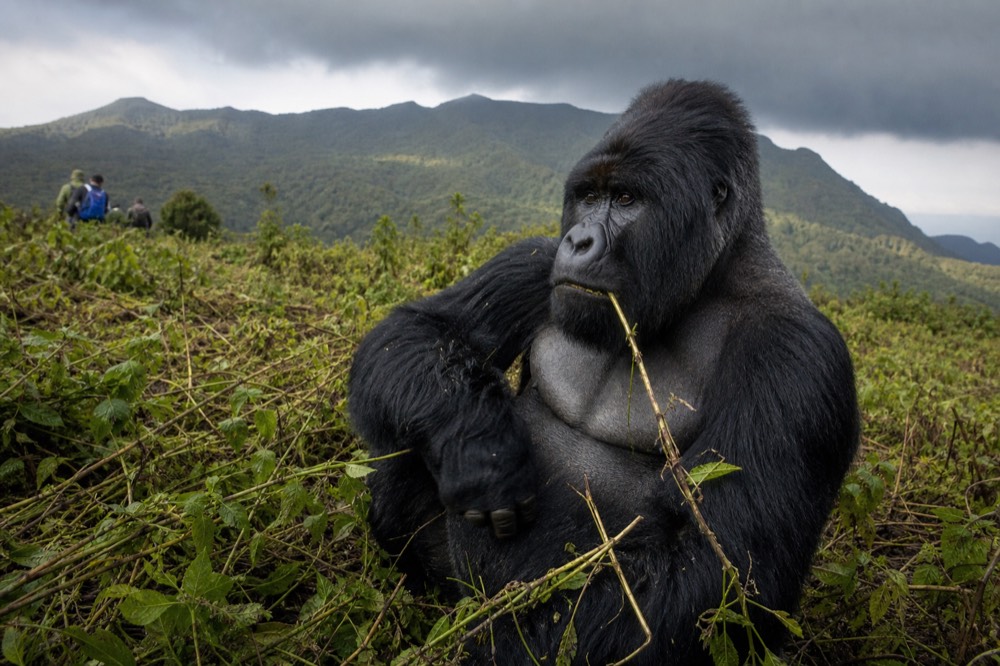
There is also a middle path that neither country's tourism board advertises loudly. Fly into Kigali, trek once in Rwanda while the jet lag is still manageable, cross overland on the $100 regional visa, trek again in Bwindi, and fly out of Entebbe. Two permits cost $2,300 rather than $3,000, you see two distinct forest types, and you only pay for one long-haul routing.
What do people who have done both actually say?
Travellers who have trekked in both countries almost always describe Rwanda as the easier trip and Bwindi as the more atmospheric one. The Rwandan hour tends to happen in open bamboo with clear sightlines. The Ugandan hour tends to happen in thick green shadow. Photographers lean Rwanda. Forest people lean Uganda.
Reviewers on the Rwandan day treks return repeatedly to the same two points: how well the timing held together, and how surprised they were by the climb. The flagship day trip from Kigali carries a 5.0 rating across 81 reviews, which is an unusually clean record for a product that depends on a 3:30am pickup and a two-and-a-half hour drive going right every single time.
The Bwindi experience gets described differently. Less about logistics, more about the forest closing over the path and the sudden quiet when the trackers stop moving. Neither description is better. They are two different afternoons in two different kinds of green.
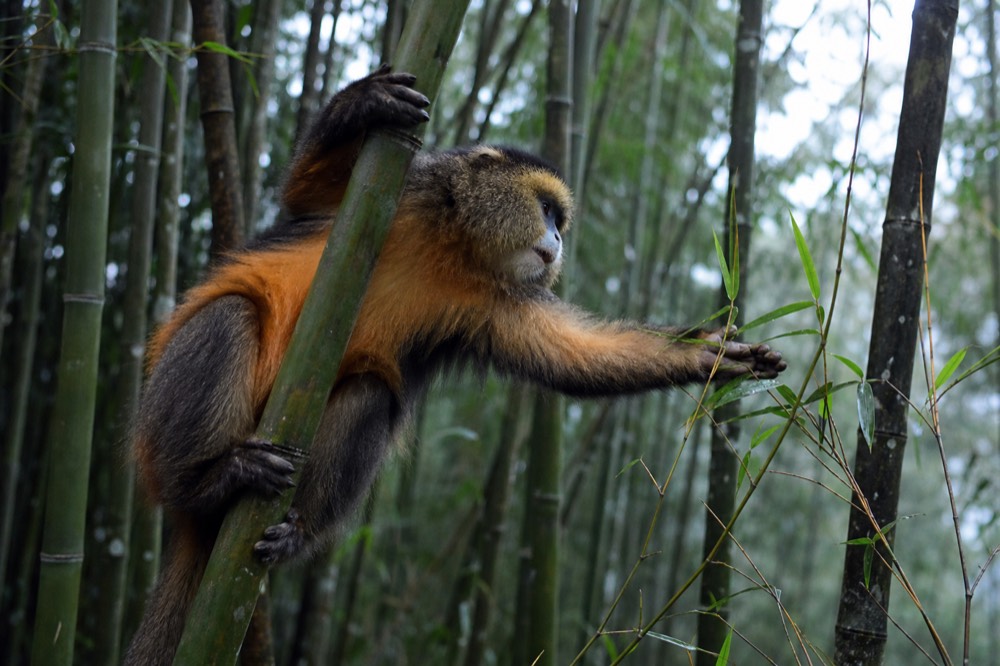
If the gorillas are only part of the plan, Rwanda has a second primate that Uganda's Bwindi does not offer in the same place. Golden monkeys live in the bamboo zone of the same park, and the permit is a fraction of the gorilla price. The details sit in our golden monkey guide, and the combined product is bookable among the permit-included and multi-day options.
Whichever way you go, book the permit before the flights. Eighty places a day is not many, and the calendar decides the trip.
Frequently asked questions
What is safer, Uganda or Rwanda?
The documented, dated position is Rwanda's: the US State Department renewed a Level 3 Reconsider Travel advisory on 6 May 2026, with Level 4 Do Not Travel inside 10 km of the DRC border in Musanze, Rubavu and Rusizi districts. The UK FCDO restricts only parts of Rusizi. Both countries' gorilla parks sit in the same borderlands and both use armed ranger escorts. Check the current advisory for whichever country you choose before booking.
Is it safe to go gorilla trekking in Uganda?
Gorilla trekking in Bwindi runs daily under armed ranger escort with groups capped at eight visitors, and the wildlife authority controls access sector by sector. The relevant risk is regional rather than trail-based, driven by conditions across the Congolese border. Read your own government's current travel advice for Uganda before booking, and treat any advisory zone boundaries as the operative detail rather than the headline level.
Which month is best for gorilla trekking in Uganda?
June to September is the strongest window, with December to February a close second. Both are dry seasons across the Virunga and Bwindi region, meaning firmer trails, better light for photography and less rain gear. They are also the busiest and priciest months. March to May brings the heaviest mud but the widest permit availability and the lowest lodge rates.
Is gorilla trekking in Rwanda worth $1,500 when Uganda charges $800?
It is worth it when time is the scarce resource. The $700 premium buys a two-and-a-half hour transfer instead of a widely reported eight to ten hour one, which typically saves two travel days and two hotel nights. On a short trip that saving is real money. On a two-week East African circuit it usually is not, and Uganda wins.
Can I trek in both countries on one trip?
Yes, and it is a common routing. The $100 East Africa Tourist Visa covers Rwanda, Uganda and Kenya for 90 days with multiple entries, so long as your first entry is through the issuing country. Fly into Kigali, trek at Volcanoes, cross overland to Bwindi in a widely reported four to five hours, trek again, then fly out of Entebbe. Two permits total $2,300.
What is the minimum age in each country?
Fifteen years old, in both. Rwanda's Development Board states the rule plainly and applies it with no exceptions, and passport details are checked when the permit is issued and again at the Kinigi briefing. A fourteen-year-old cannot trek anywhere in the Virungas, regardless of fitness, height or how close the birthday is.